
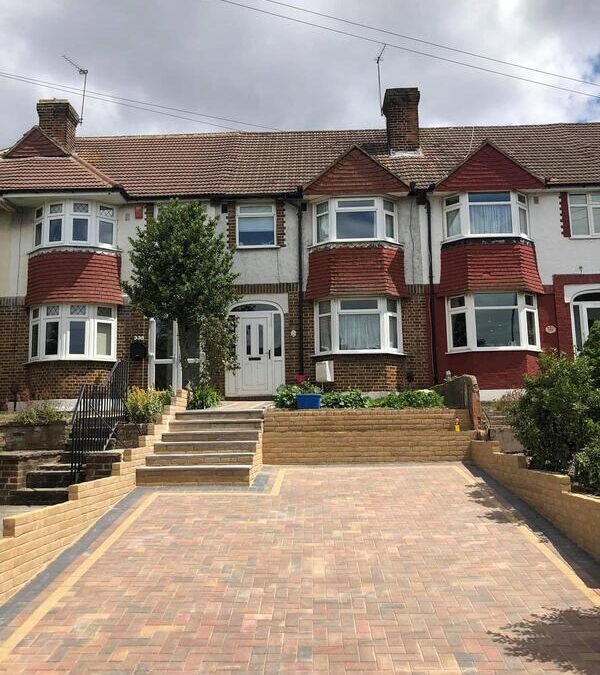
If you are planning to improve the front of your home, block paving driveways are one of the most reliable and attractive options available. They offer strong kerb appeal, plenty of design flexibility, and the practical benefit of being repairable in sections if a small area ever sinks or becomes damaged.
But like any driveway surface, block paving is only as good as the preparation underneath it. A driveway may look perfect on day one, but if the excavation, sub-base, edging, or drainage is poor, problems can appear later.
This guide explains everything homeowners should know before choosing a block paved driveway, including benefits, costs, installation, drainage rules, maintenance, and how to choose the right local contractor.
At South East Block Paving Ltd, we install professional block paving driveways and driveways across Waltham Abbey and surrounding areas.
TL;DR: Why choose block paving driveways?
Block paving driveways are popular because they are:
- attractive and suitable for many UK home styles
- available in different colours, patterns, and borders
- strong enough for everyday vehicle use when installed properly
- easier to repair in sections than many continuous surfaces
- suitable for creative designs and kerb appeal upgrades
- available in permeable options for better rainwater management
- long-lasting when the base, drainage, and edging are done correctly
The most important thing to remember is this: the blocks are only the visible finish. The real strength comes from the groundwork below.
What is a block paving driveway?
A block paving driveway is made from individual paving blocks, usually concrete or clay, laid in a chosen pattern over a prepared base. The blocks interlock to create a strong and attractive surface for cars, pedestrians, bins, deliveries, and everyday use.
Unlike poured concrete or resin surfaces, block paving is modular. That means individual blocks can often be lifted, adjusted, cleaned, or replaced without removing the entire driveway.
This is one reason block paving remains a strong choice for UK homeowners who want both appearance and practicality.
Why are block paving driveways so popular?
1. They improve kerb appeal
Your driveway is one of the first things people notice about your home. A tired, cracked, or uneven entrance can make the whole property look older than it is.
Block paving gives a clean, structured finish. You can choose colours and patterns that match your home’s brickwork, roof, gates, garden walls, or front landscaping.
For example:
- charcoal blocks can suit modern homes
- brindle blocks often work well with red brick properties
- grey tones can create a clean contemporary finish
- contrasting borders can frame the driveway neatly
A well-designed driveway does not need to look overdone. Sometimes a simple pattern with a clean border is enough to make the front of the home look much smarter.
2. They offer flexible design options
Block paving gives homeowners more choice than many other driveway surfaces. You can adjust the design to suit the size, style, and shape of your entrance.
Popular design choices include:
- herringbone patterns
- stretcher bond layouts
- basketweave patterns
- contrasting borders
- curved edges
- decorative apron entrances
- matching paths and steps
For driveways, herringbone is often recommended because it provides strong interlock, especially where vehicles turn or brake.
A good block paving contractor should be able to advise on the best pattern for both appearance and performance.
3. They can be repaired in sections
One of the biggest benefits of block paving driveways is that small areas can often be repaired without replacing the full surface.
For example, if a section sinks due to local movement, a contractor can lift the affected blocks, correct the base, and re-lay the same blocks if they are still in good condition.
This makes block paving practical for long-term maintenance, especially compared with surfaces where patch repairs may be more visible.
If your existing driveway is uneven or damaged, you may also want to explore driveway repairs before committing to a full replacement.
The honest truth: installation matters more than the blocks
Not all block paving driveways perform the same. Two driveways can use similar-looking blocks but age very differently depending on how they were installed.
Common causes of failure include:
- poor excavation
- weak sub-base
- poor compaction
- no proper edge restraints
- incorrect falls
- bad drainage
- laying over unstable ground
- rushed workmanship
A good driveway is built from the ground up.
“A block paving driveway should not be judged only by the surface finish. The real quality is in the base, drainage, levels, and edges — the parts homeowners cannot easily see once the job is finished.”
That is why choosing an experienced local installer matters.
How block paving driveways are installed
A professional installation usually includes several key stages.
1. Site survey
The contractor should inspect the area and check:
- current surface condition
- ground levels
- drainage direction
- driveway size
- access for machinery
- existing manholes or service covers
- parking needs
- where the driveway meets the house, path, pavement, or garden
This helps the installer understand what the job really needs before quoting.
2. Excavation
The old surface is removed and the area is excavated to allow space for the sub-base, bedding layer, and paving blocks.
As a technical guide, Pavingexpert explains that excavation depth for a typical domestic block paved driveway is often around 200–250mm below finished paving level, depending on the build-up and ground conditions.
3. Sub-base installation
The sub-base is the foundation of the driveway. It supports the weight of vehicles and helps prevent sinking.
A common approach is to use a suitable compacted aggregate sub-base. Pavingexpert also advises that sub-base material should be spread in layers no thicker than 150mm and compacted properly.
This is one of the areas where cheaper installations may cut corners. But if the sub-base is not right, the driveway can dip, move, or rut later.
4. Edging and restraints
Edges help hold the block paving in place. Without proper restraints, the blocks can spread at the sides over time.
Edging may include:
- kerbs
- block borders
- concrete haunching
- raised edges
- transitions to lawns, paths, or walls
Strong edging is especially important for driveways because cars create turning and braking forces.
5. Drainage and falls
A driveway should never send water towards the house. The installer should create the right falls so water moves away safely.
Drainage can include:
- correct surface levels
- channel drains
- soakaway solutions where suitable
- directing water to lawn or borders
- permeable block paving systems
This stage is not just about avoiding puddles. It can also affect planning rules.
Do block paving driveways need planning permission?
Not always, but drainage rules matter.
According to GOV.UK guidance on permeable surfacing of front gardens, you will not usually need planning permission if a new or replacement driveway uses permeable surfacing, such as permeable concrete block paving, or if rainwater is directed to a lawn or border to drain naturally.
However, if the surface is more than 5 square metres and you use a traditional impermeable surface without providing drainage to a permeable area, planning permission may be required.
In simple terms:
- permeable block paving can help with drainage
- standard block paving may need a planned drainage solution
- water should not run straight onto the road or pavement
- water should not be directed towards the house
If your current driveway puddles after rain, drainage should be discussed before the new driveway is designed.
For more support with outdoor water management, see groundworks and drainage.
How much do block paving driveways cost in the UK?
Costs depend on the size of the driveway, block type, ground preparation, drainage, edging, access, and labour.
As a broad UK guide, Checkatrade states that the average cost of a block paved driveway in 2026 is around £90–£130 per m², or around £5,500 for a typical double driveway.
However, online prices should only be used as a guide. A proper quote should be based on a site visit.
A driveway may cost more if it needs:
- old concrete removal
- deep excavation
- extra drainage
- premium blocks
- lots of cutting
- complex borders
- manhole adjustments
- poor ground correction
A very cheap quote may look attractive, but if it excludes drainage, proper sub-base, waste removal, or edging, it may not be the best value.
Block paving vs other driveway surfaces
Block paving vs resin bound
Resin bound driveways offer a smooth, modern finish and can be low maintenance. Block paving offers more pattern choice and easier section repairs.
Choose block paving if you want a traditional look, design flexibility, and repairability.
Block paving vs tarmac
Tarmac driveways are practical, simple, and often cost-effective for larger spaces. Block paving is more decorative and gives more options for borders and patterns.
Choose block paving if kerb appeal and design are important.
Block paving vs gravel
Gravel driveways can be budget-friendly and naturally permeable. Block paving is neater, more stable underfoot, and easier for bins, bikes, prams, and everyday access.
Choose block paving if you want a cleaner, more structured finish.
How to maintain a block paved driveway
Block paving is not hard to maintain, but it should not be ignored.
Basic maintenance includes:
- brushing away leaves and debris
- removing weeds early
- topping up jointing sand when needed
- cleaning oil marks quickly
- avoiding aggressive pressure washing too close to joints
- re-sanding after deep cleaning
- checking edges and drainage channels
Pavingexpert advises that sealants should not be applied too soon after installation, especially before the paving has settled and natural efflorescence has weathered away.
If you are unsure whether sealing is right for your driveway, ask your installer after the surface has had time to settle.
Choosing block paving contractors in Waltham Abbey
If you are looking for block paving driveways in Waltham Abbey, choose a contractor who can explain the full process clearly.
Ask questions such as:
- How deep will you excavate?
- What sub-base will you use?
- How will the driveway drain?
- Are edge restraints included?
- Is waste removal included?
- What block type and thickness are included?
- How will manholes be handled?
- How long will the work take?
- What aftercare do you recommend?
- Can I see examples of similar local work?
A trustworthy contractor should be comfortable answering these questions.
South East Block Paving Ltd has over 20 years of experience providing block paving, driveways, patios, resin bound surfaces, tarmac, gravel, landscaping, fencing, and general outdoor improvements across Waltham Abbey and surrounding areas.
Local experience matters because every driveway is different. Property style, access, slope, drainage, and parking needs all affect the final design.
Practical example: why the right installation matters
Imagine two homeowners both install a 50m² block paved driveway.
Homeowner A chooses a contractor who excavates properly, installs a compacted sub-base, plans drainage, and uses strong edging.
Homeowner B chooses the cheapest quote, but the job is laid over a weak existing base with little attention to drainage.
Both driveways may look good at first. But after heavy rain and regular vehicle use, Homeowner B may start seeing dips, puddles, weeds, and moving edges.
The difference is not just the blocks. It is the preparation.
FAQs about block paving driveways
Are block paving driveways a good choice?
Yes. Block paving driveways are a strong and attractive choice when installed with proper excavation, sub-base, edging, and drainage.
How long does a block paved driveway last?
A well-installed block paved driveway can last for many years. Its lifespan depends on groundwork, drainage, traffic, materials, and maintenance.
Is block paving expensive?
Block paving is usually more decorative than tarmac and often more structured than gravel. UK cost guides suggest around £90–£130 per m² as a broad 2026 average, but every job needs a site-specific quote.
Can block paving be repaired?
Yes. One of the benefits of block paving is that individual sections can often be lifted and re-laid if a local repair is needed.
Does block paving need drainage?
Yes. Every driveway needs a drainage plan. Depending on the surface and layout, this may involve permeable blocks, correct falls, channel drains, or directing water to a permeable area.
Do weeds grow through block paving?
Weeds usually grow from seeds settling in the joints rather than coming up from below. Regular brushing, joint maintenance, and early treatment help keep weeds under control.
Is block paving better than resin?
Block paving is better if you want patterns, borders, and easy section repairs. Resin bound may be better if you prefer a smooth, modern, low-maintenance finish.
Final thoughts: are block paving driveways right for your home?
Block paving driveways are a smart option for homeowners who want a strong, attractive, and repairable driveway surface.
They work well for many UK homes, especially where kerb appeal and design flexibility matter. But the quality of the finished driveway depends on the full installation process — not just the block colour.
Before choosing a contractor, make sure they explain:
- excavation
- sub-base
- drainage
- edging
- laying pattern
- waste removal
- aftercare
For homeowners in Waltham Abbey and surrounding areas, South East Block Paving Ltd provides professional block paving driveway installation with practical advice, quality workmanship, and attention to the details that help a driveway last.
To learn more, visit our Block Paving page or get in touch through Contact Us.