
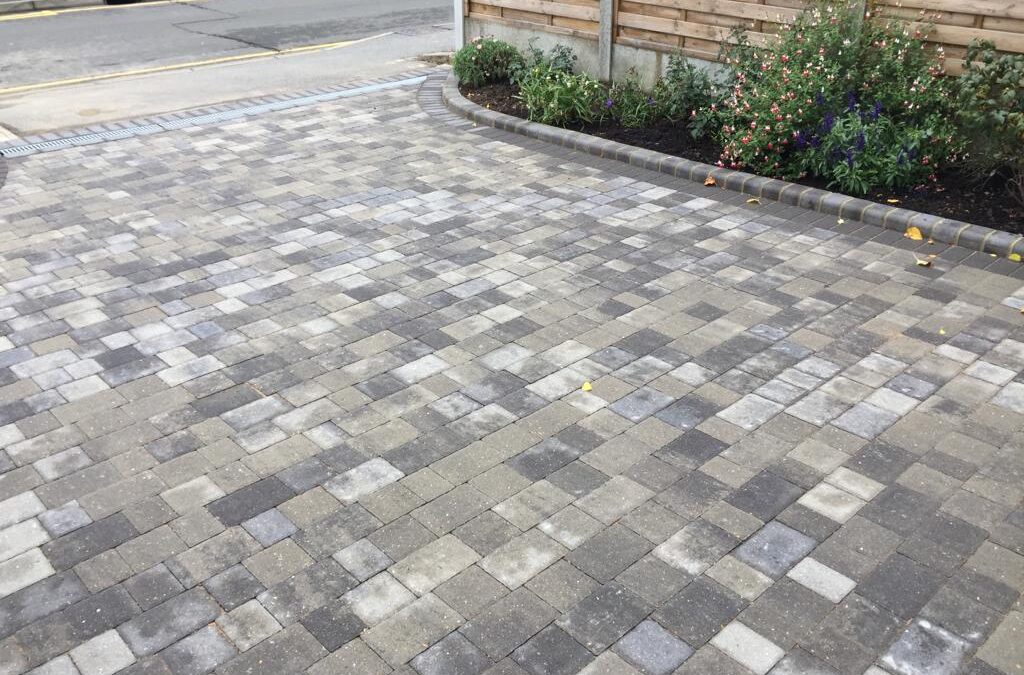
If you’re handy, it’s completely normal to look at your tired old driveway or patchy patio and think: “How hard can it be?” A few YouTube videos, a weekend (or two), and you’ll save a chunk of money… right?
Sometimes, yes — for small jobs.
But when you’re talking about a driveway, patio, resin surface, block paving, or anything that needs a proper sub-base and drainage, DIY can become expensive fast if it goes wrong. In Waltham Abbey and surrounding areas, where we get plenty of wet weather, the difference between “looks great for 2 months” and “lasts for years” is usually what’s under the surface.
Below are the real-world benefits of hiring a professional paving contractor versus doing it yourself — with practical examples, simple numbers, and what to watch out for.
1) The hidden work: ground prep is where DIY usually falls down
Most DIY paving fails for one reason: the base isn’t prepared correctly.
A typical domestic block paving driveway often needs an excavation depth around 200–250mm below finished level to allow for sub-base, bedding sand, and blocks (exact depth depends on ground conditions and usage).
Professionals:
- excavate to the right levels,
- install edge restraints properly,
- compact in layers (not “one quick run with a wacker plate”),
- and build the falls so water drains away from your home.
Paving expert guidance also notes that when a sub-base exceeds 150mm, it should be built up in layers (each 150mm or less) and compacted thoroughly to reduce settlement risk.
DIY reality: many people under-dig (because it’s hard work and messy), or they skip proper compaction. The result is sinking, rocking blocks, puddles, and cracked edges.
2) Drainage and planning rules can catch you out
This one surprises homeowners.
In England, if you’re laying an impermeable driveway over more than 5m², you typically need to make sure water drains to a permeable area (like a lawn/border) or you may need planning permission. Using permeable surfaces (or directing runoff to a permeable area) can avoid that.
A professional paving contractor will plan for:
- falls (the slope),
- channel drains/soakaways,
- permeable options (like resin bound or permeable block paving),
- and where the water actually goes in heavy rain.
DIY risk: you finish the job and only then notice water runs towards the house, pools near the front door, or heads straight to the pavement.
3) Professional finish = kerb appeal you can actually see
Let’s be honest: people choose block paving, resin bound, or a smart patio because they want it to look good.
A good contractor gets the details right:
- crisp lines and cuts,
- consistent levels,
- neat edging,
- patterns that suit the house,
- and joints that don’t wash out after the first downpour.
It’s the difference between:
- “that’ll do” and
- “that looks like it belongs here.”
And if you ever sell your home, kerb appeal really does matter.
4) Speed, equipment, and “where does all this rubble go?”
DIY paving isn’t just laying blocks. It’s also:
- breaking up old concrete,
- removing spoil,
- getting materials delivered,
- hiring tools,
- and disposing of waste legally.
Here’s a practical number: assuming a 200mm dig depth, every ~20–25m² of paving can mean roughly one builders’ skip worth of excavated material, and excavated spoil “bulks up” when dug out.
Professionals already have:
- the kit,
- the team,
- the supplier relationships,
- and a system for waste removal.
DIY reality: the job gets stuck halfway because you’ve got a pile of hardcore, nowhere to put the spoil, and rain forecast for the next 4 days.
5) Safety: the bit no one budgets for
Paving is physical, and it involves cutting, lifting, vibrating plates, and power tools.
The NHS has previously reported almost 4,800 hospital admissions in 12 months linked to injuries from drills and other power tools.
And on a wider safety note, the HSE reported 124 worker fatalities in Great Britain in 2024/25 from work-related accidents (provisional).
You don’t need scary stats to know this: one slip with a cutter, one bad lift, or one dodgy tool setup can turn a “money-saving DIY” into weeks off work.
Professionals are trained, insured, and used to doing this safely day in, day out.
6) Cost: DIY can be cheaper… until it isn’t
DIY can save money if:
- the area is small,
- the ground is stable,
- you already have tools,
- and you’re confident with levels, cutting, and compaction.
But for driveways and large patios, DIY costs add up quickly:
- tool hire (plate compactor, cutter, mixer, skips),
- mistakes (wrong levels, poor drainage),
- re-buying materials,
- and sometimes paying a contractor to fix it anyway.
A professional paving contractor helps you avoid the classic “pay twice” situation.
7) One contractor can improve your whole outside space, not just the paving
Most homeowners don’t want only paving — they want the outside to work as a whole.
For example:
- A new driveway plus better drainage
- A patio plus landscaping and turfing
- Fencing upgrades to match the new look
- Small general building work (steps, walls, edging)
That “joined-up” result is hard to achieve when you DIY one piece at a time.
South East Block Paving Ltd markets itself as handling outdoor surfacing with careful planning and attention to detail, including services across paving/driveways/patios/landscaping, with long trade experience.
8) Reviews and accountability: you can check who you’re hiring
A good local contractor has a reputation to protect.
For example, South East Block Paving Ltd has long-standing membership on Checkatrade and customer reviews describing professionalism, speed, and attention to prep/drainage on more complex driveway work.
That kind of accountability matters — because if there’s an issue, you want someone who will come back and put it right.
When DIY does make sense (quick list)
DIY can be a good option for:- a small garden path,
- replacing a few loose blocks,
- pressure washing and re-sanding joints (light maintenance),
- a tiny patio area where drainage and levels are straightforward.
A simple checklist for choosing the right paving contractor
Before you agree to anything, ask:- How will you handle drainage? (falls, channels, soakaways/permeable options)
- What’s the excavation depth and sub-base plan?
- How will edges be restrained? (this prevents spreading and sinking)
- What’s included in the quote? (waste removal, materials, prep, finishing)
- Do you have examples of similar work nearby?
- What aftercare/maintenance do you recommend?